MEG Lab
Department of Experimental Medical Science, Lund University - SciLifeLab - TCSMT, University of Turku
The Microbial Evolutionary Genetics (MEG) Lab develops predictive, quantitative understanding of how microbial populations and communities evolve, with a particular focus on antimicrobial resistance, community resilience, and infection dynamics. We investigate when resistance evolution and treatment outcomes are predictable, and when they depend critically on ecological interactions among coexisting microbes.
Our research integrates experimental evolution, synthetic and clinically inspired microbial communities, genetic engineering, genomics, and bioinformatics. By combining ecological realism with experimental control and data-driven modelling, we aim to generate evolution-aware principles that inform antimicrobial therapy and improve understanding of persistent and treatment-resistant infections.
The lab is led by Assistant Professor (DDLS Fellow) Johannes Cairns and operates between Lund University and the University of Turku, in close collaboration with interdisciplinary infection research and data-driven life science environments in Sweden and Finland.
news
| Oct 10, 2026 | Johannes Cairns discusses controlled evolution experiments, data-driven approaches to life science, the predictability and control of evolution, and strategies to tackle antimicrobial resistance. The conversation also covers upcoming research on polymicrobial urinary tract infections. The interview is part of the AMR Podcast Series with Surajit Pal, hosted by the Kiel University Graduate Center. |
|---|---|
| Oct 09, 2026 | Our lab received SEK 300,000 from Anna och Edwin Bergers Stiftelse to support experimental research on polymicrobial catheter-associated urinary tract infections. |
| Oct 06, 2026 | Johannes participated as an invited panelist in Lund University Future Faculty’s seminar ‘Becoming a Group Leader: Practical Challenges and Beyond,’ discussing leadership, recruitment, group dynamics, and conflict management. |
| Oct 01, 2026 | Victor has joined the lab as a bioinformatician. He will be analysing various high-throughput sequence data modalities to understand eco-evolutionary processes in experimental microbial communities. Warm welcome! |
| Sep 17, 2026 | Our new paper, Eco-evolutionary dynamics and environmental detoxification jointly shape bacterial community response to antibiotic perturbation is now available as an advance article in The ISME Journal. We show how resistance evolution and antibiotic detoxification interact to shape bacterial community responses to repeated antibiotic disturbance. |
selected publications
2026
-
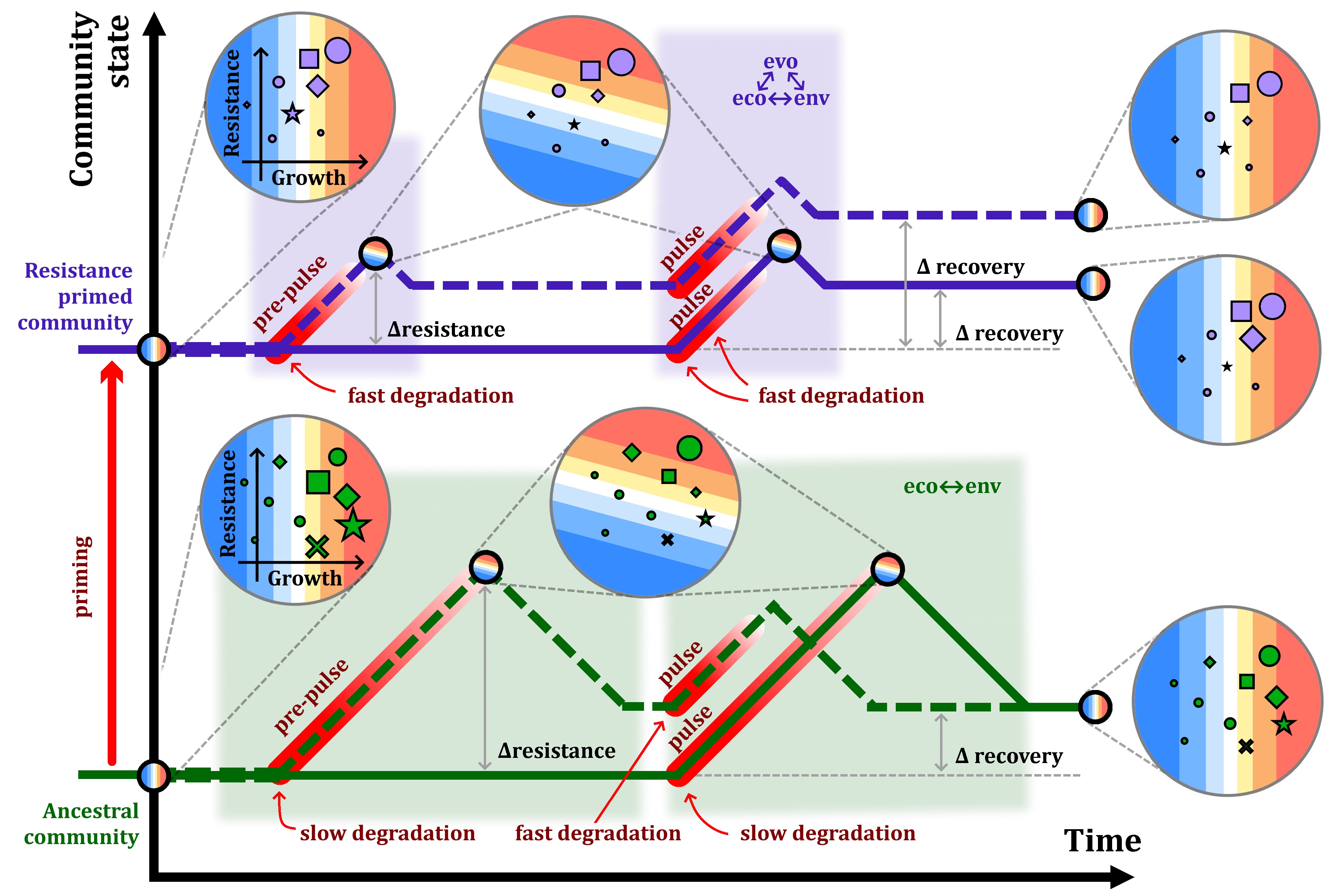 Eco-evolutionary dynamics and environmental detoxification jointly shape bacterial community response to antibiotic perturbationThe ISME Journal, Sep 2026
 -
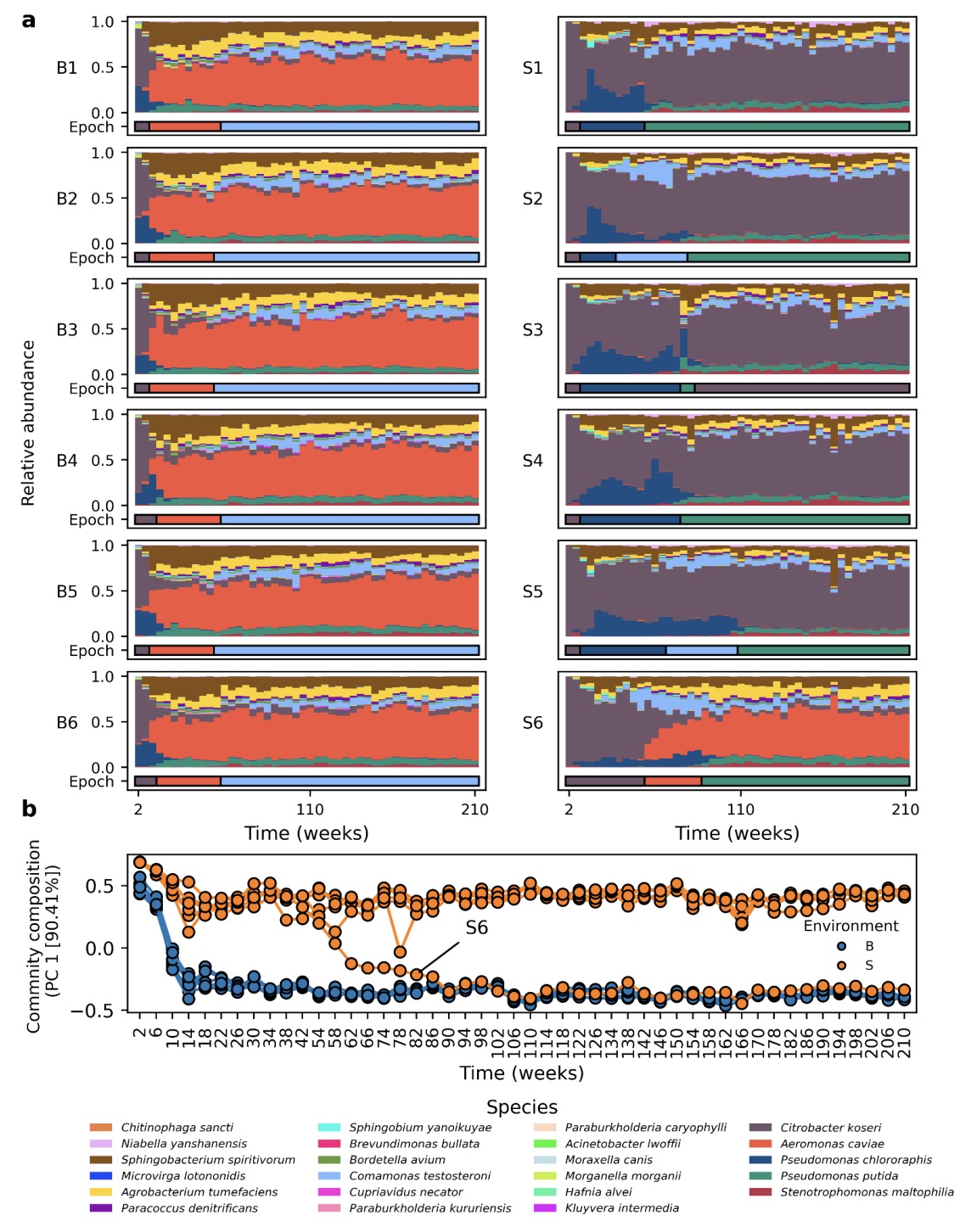 Evolution induced state shifts in a long-term microbial community experimentProceedings of the National Academy of Sciences, 2026
2025
-
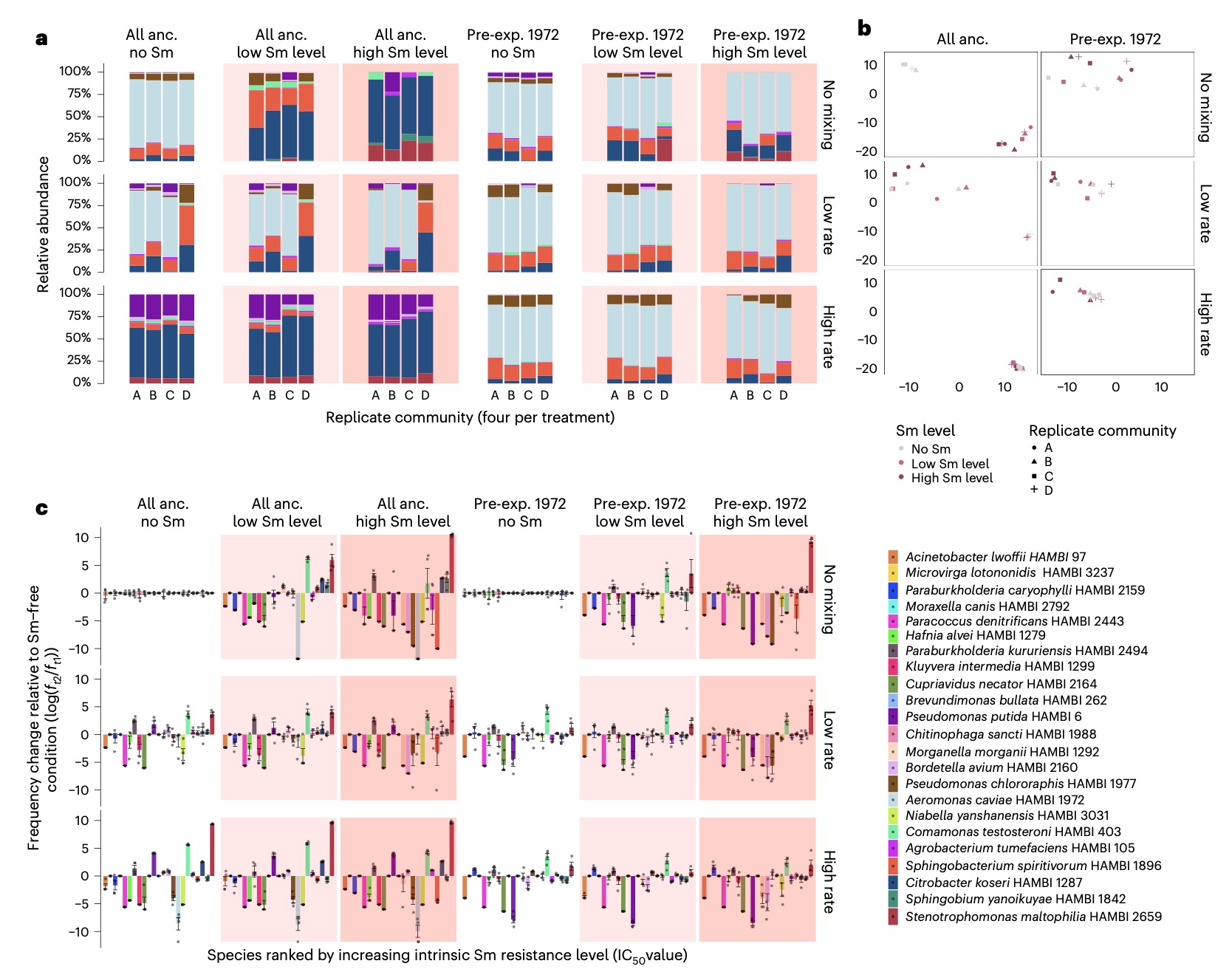 Pre-exposure of abundant species to disturbance improves resilience in microbial metacommunitiesNature Ecology & Evolution, 2025
2022
-
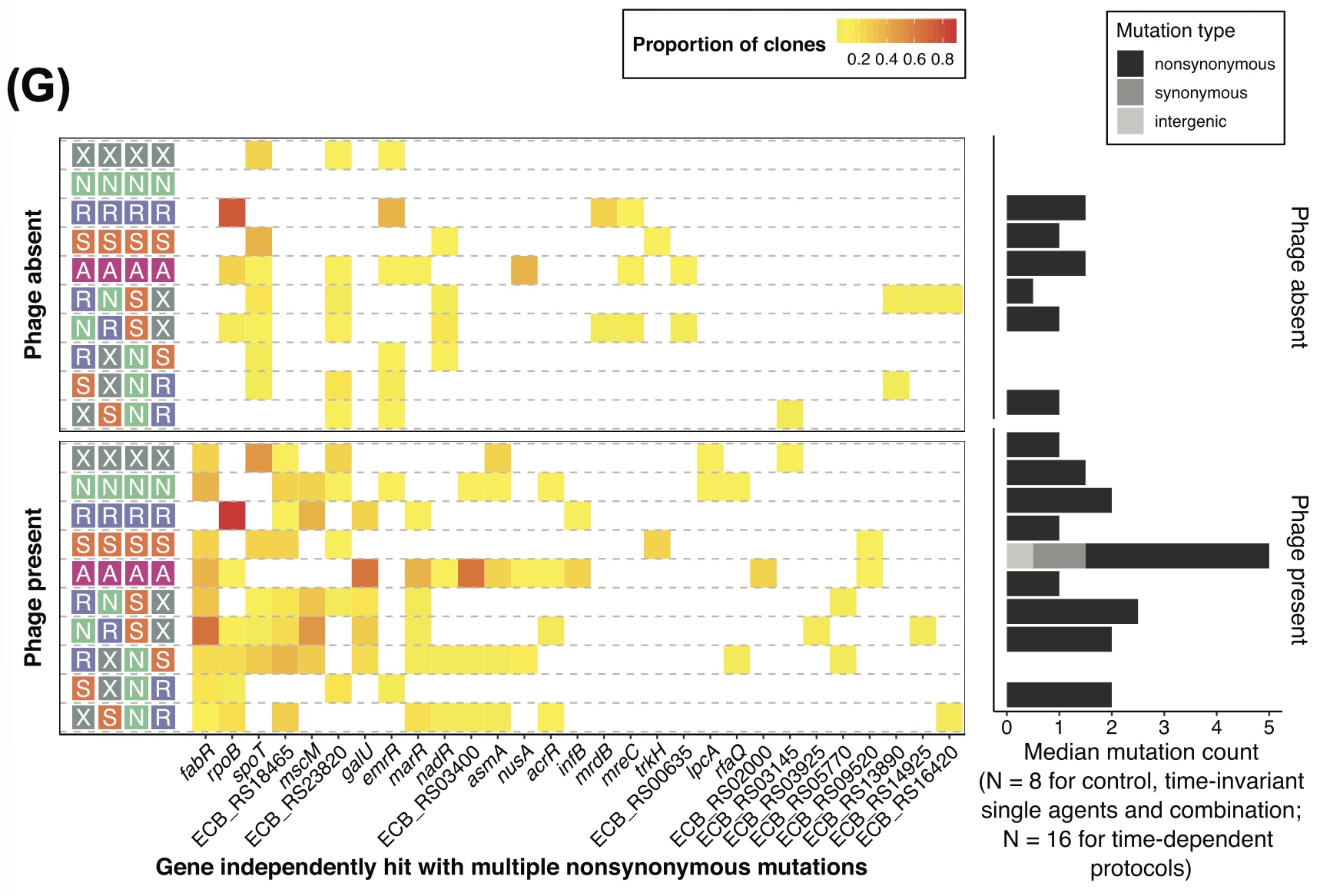 Strong selective environments determine evolutionary outcome in time-dependent fitness seascapesEvolution Letters, 2022
2020
-
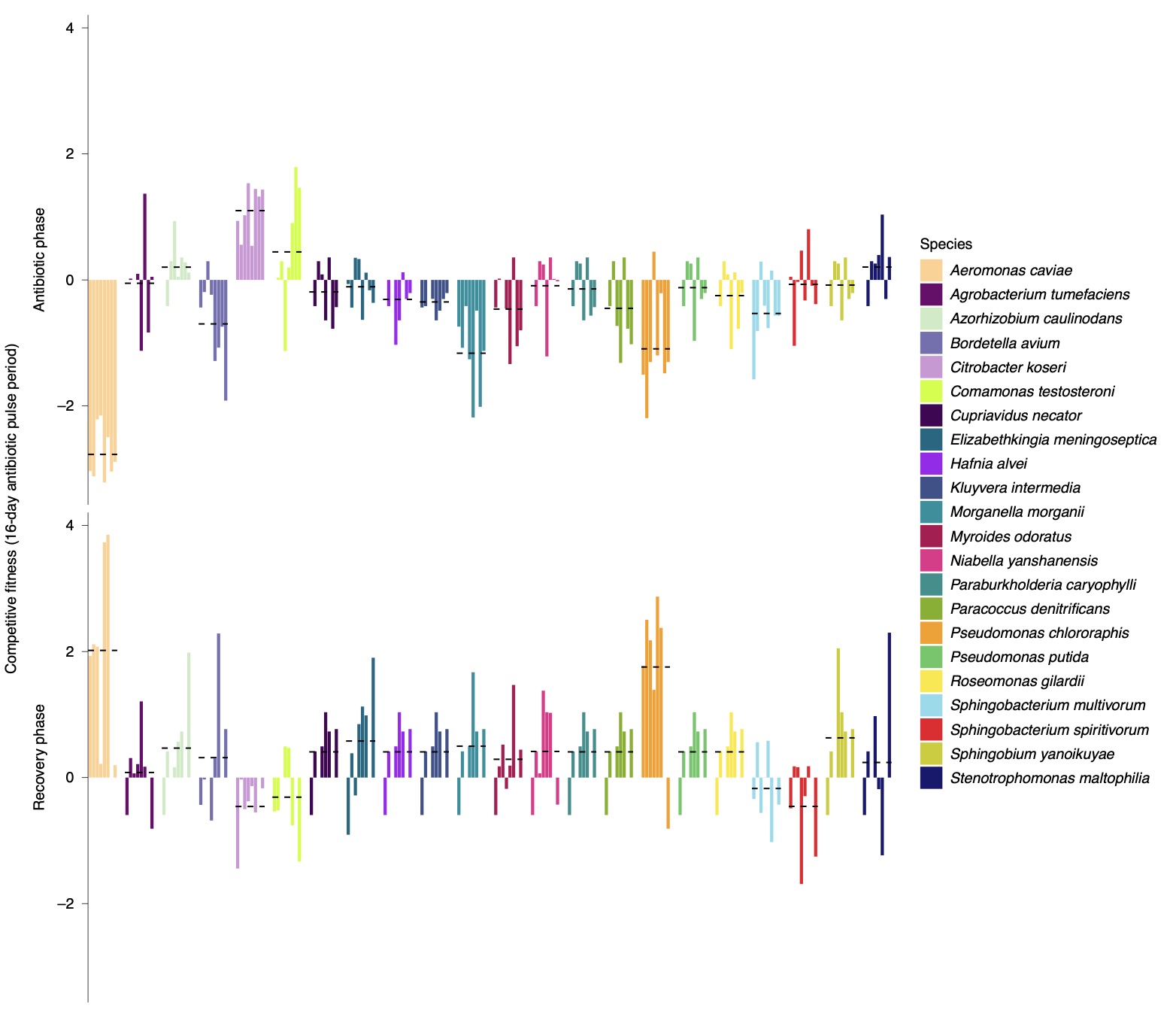 Repeatable ecological dynamics govern the response of experimental communities to antibiotic pulse perturbationNature Ecology & Evolution, 2020
2018
-
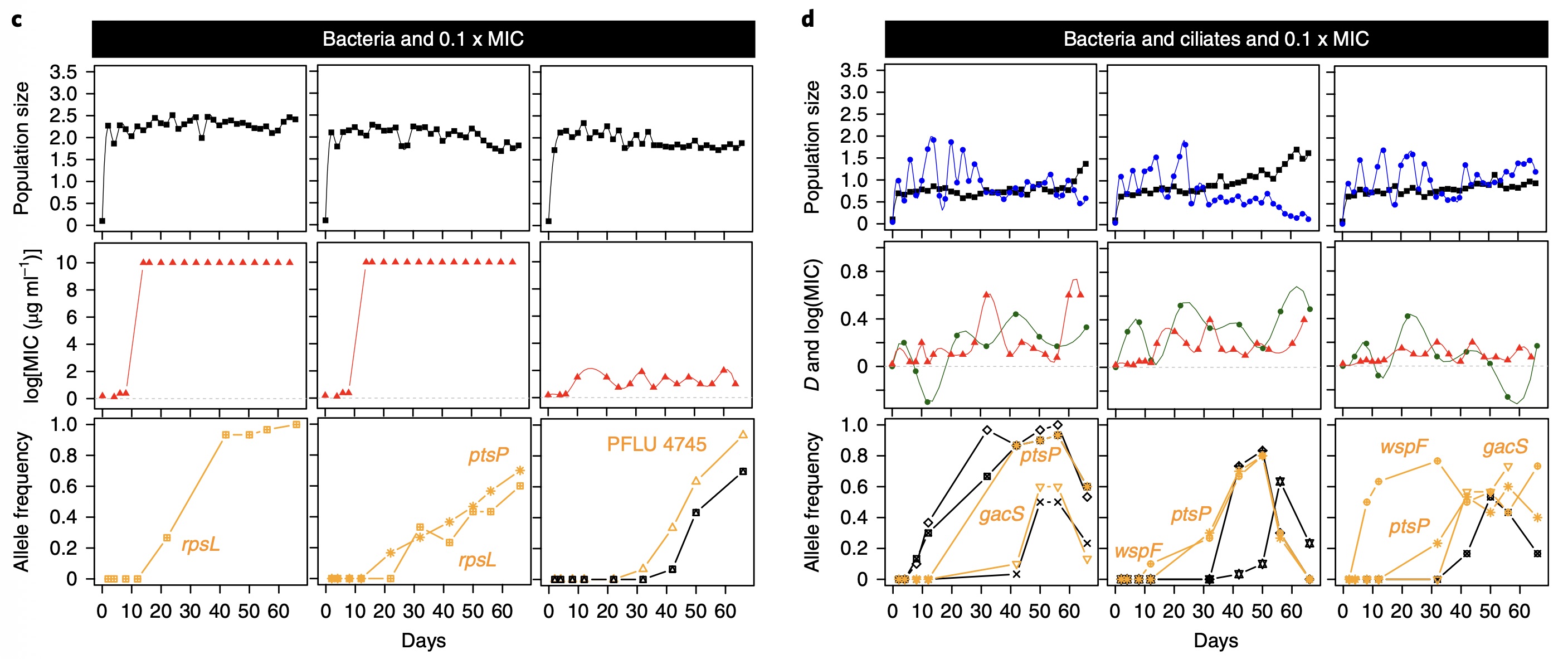 Dual-stressor selection alters eco-evolutionary dynamics in experimental communitiesNature Ecology & Evolution, 2018
2017
-
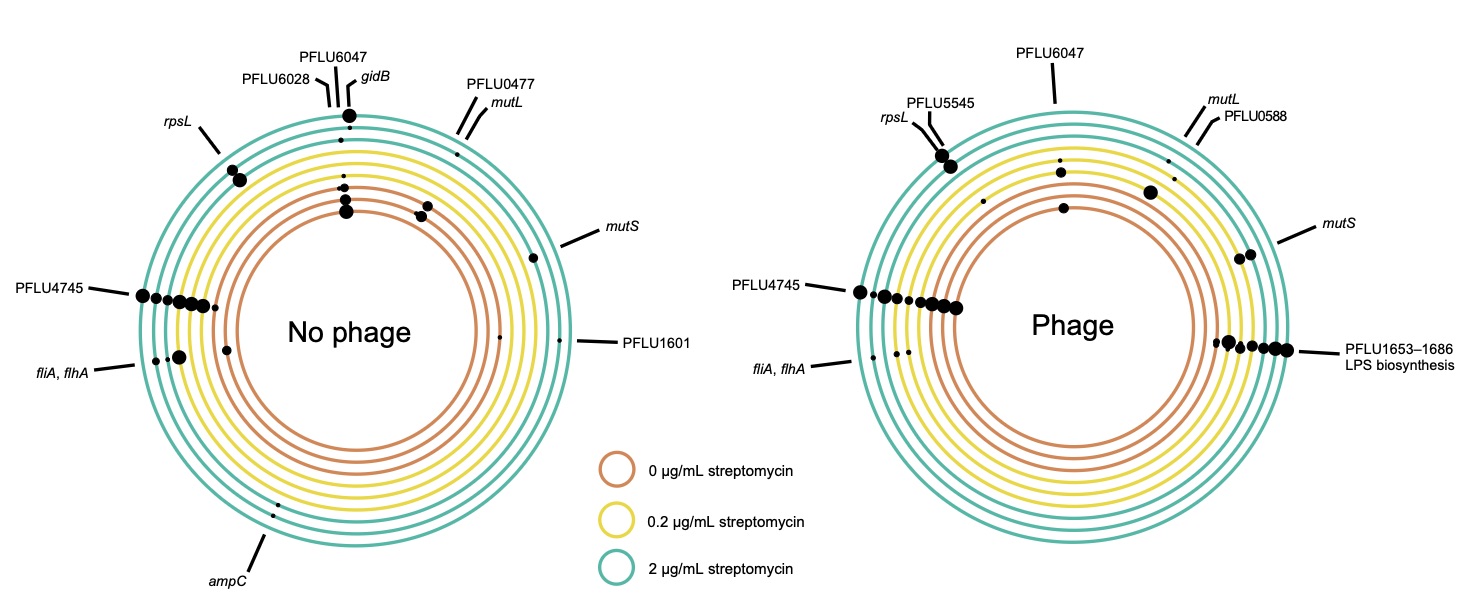 Genomic evolution of bacterial populations under coselection by antibiotics and phageMolecular Ecology, 2017